From idea to identity: Building POP nakaro
A clear audience, distinctive identity and focused content strategy transformed an editorial idea into a growing brand built to reach readers well beyond the Gulf South.
Stories worth telling
POP nakaro began with a lifelong interest in popular culture and the things people carry with them: comic books, toys, movies, television shows, familiar places and the memories attached to them.
A comic book can bring back the theater where someone first saw Batman. A toy can connect an adult collector to childhood afternoons spent watching cartoons halfway around the world. A restaurant sign, carousel horse or amusement park relic can preserve an experience shared across generations.
These subjects become entry points into stories about people, places and experiences. A price guide can estimate what something is worth. Only the person who kept it can explain its real value.
That belief became the foundation for POP nakaro: Every collection has a story, and the story behind it is what lasts.
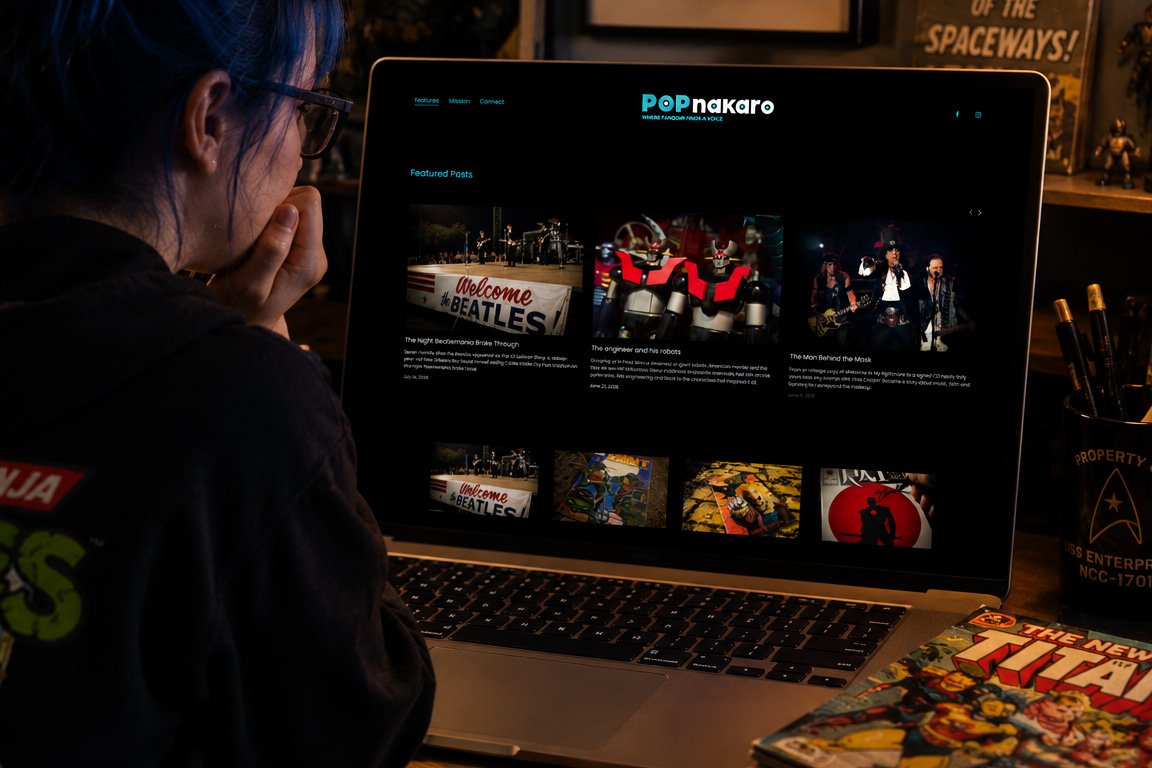
POP nakaro began with a clearly defined audience and an editorial strategy connecting fandom, memory and cultural history.
Strategy begins with the audience
Before choosing a name, designing a logo or building a website, I needed to understand whom POP nakaro would serve and what would make the platform distinctive.
The subject matter could include comics, toys, movies, television, music, food, artists, collectors and cultural landmarks. Connecting those interests required a clear editorial perspective that readers could recognize from one feature to the next.
The answer became what I call pop archaeology: digging into the stories behind the things we are still into.
POP nakaro uses personal experience and a sense of place as paths into cultural history. Objects, landmarks and memories open larger stories about creativity, identity, preservation and influence.
The initial reporting footprint is rooted in New Orleans and the wider Gulf South. That focus reflects practical considerations such as access, travel and the ability to produce original photography. It also allows the platform to begin within a culture I understand through lived experience.
Regional audiences recognize when a story understands the place it represents. That connection comes through the details: the experience of walking into Crescent City Comics, the fading trail of Pontchartrain Beach or the way the City Park Carousel belongs to generations of New Orleans families.
The regional identity does not need to announce itself through familiar symbols or exaggerated local color. It emerges through the subjects, observations and voices within the work.
That gives POP nakaro a defined place to begin while allowing the brand to travel. Readers anywhere can connect with stories about fandom, collecting, memory and discovery. The same editorial approach can eventually lead to Florida, Texas, Tennessee or anywhere else popular culture has taken root in a community.
POP nakaro is rooted in the Gulf South and built to travel.
The POP nakaro visual identity combines bold typography with a distinctive blue, creating a flexible brand designed to move across editorial, social and merchandise applications.
Building the brand
The naming process explored several directions, each measured against the purpose of the platform. The name needed to be memorable, energetic and broad enough to move across different corners of popular culture.
POP nakaro offered that flexibility. It sounded connected to the world it would explore while remaining distinctive enough to develop its own meaning through the work.
The visual identity gave the idea a recognizable form. Black, white and a distinctive blue created a bold, contemporary palette. The oversized “POP” and lowercase “nakaro” established a clear hierarchy that could remain recognizable across the website, social media, apparel and other applications.
Typography, color, layout and photography then helped build a consistent editorial world around the stories.
Each creative decision returned to a practical question: Does this strengthen the identity we are building? That standard connected individual choices to the larger purpose of the brand.
POP nakaro’s editorial system turns a defined brand strategy into consistent content across personal essays, profiles and historical features.
Turning strategy into content
The website introduced POP nakaro, but the published articles had to show readers what the brand could become.
That required an editorial system capable of supporting different subjects while maintaining a consistent point of view. Personal essays connect popular culture to memory and experience. Profiles explore the lives of collectors and creators. Historical features uncover the businesses, objects and places that continue to shape regional culture.
The articles published so far demonstrate that range.
Nothing Tops Frostop uses a New Orleans restaurant to connect family memories, regional food culture and the history of a root beer brand approaching its centennial. The story of the Beatles’ 1964 concert at City Park places one of popular culture’s defining moments within the experience and memory of New Orleans.
A run through history invites readers into Metairie Cemetery, combining firsthand exploration with the people, architecture and history preserved across its landscape.
The platform also created room for a more immediate and heartfelt story following the death of Mississippi comic-book artist Mitch Byrd. Remembering Mitch Byrd honors his work through Cat & Mouse, the series that first made me a fan, while recognizing the larger career and creative legacy he leaves behind.
These stories may begin with different subjects, but each offers readers the same invitation: start with something familiar and discover the people, places and experiences surrounding it.
Supporting that approach required a defined voice, visual standards, a pipeline of ideas and a process for moving each feature from research through publication. Articles begin with the reader and are supported by original photography, search strategy and social content that help people discover the work.
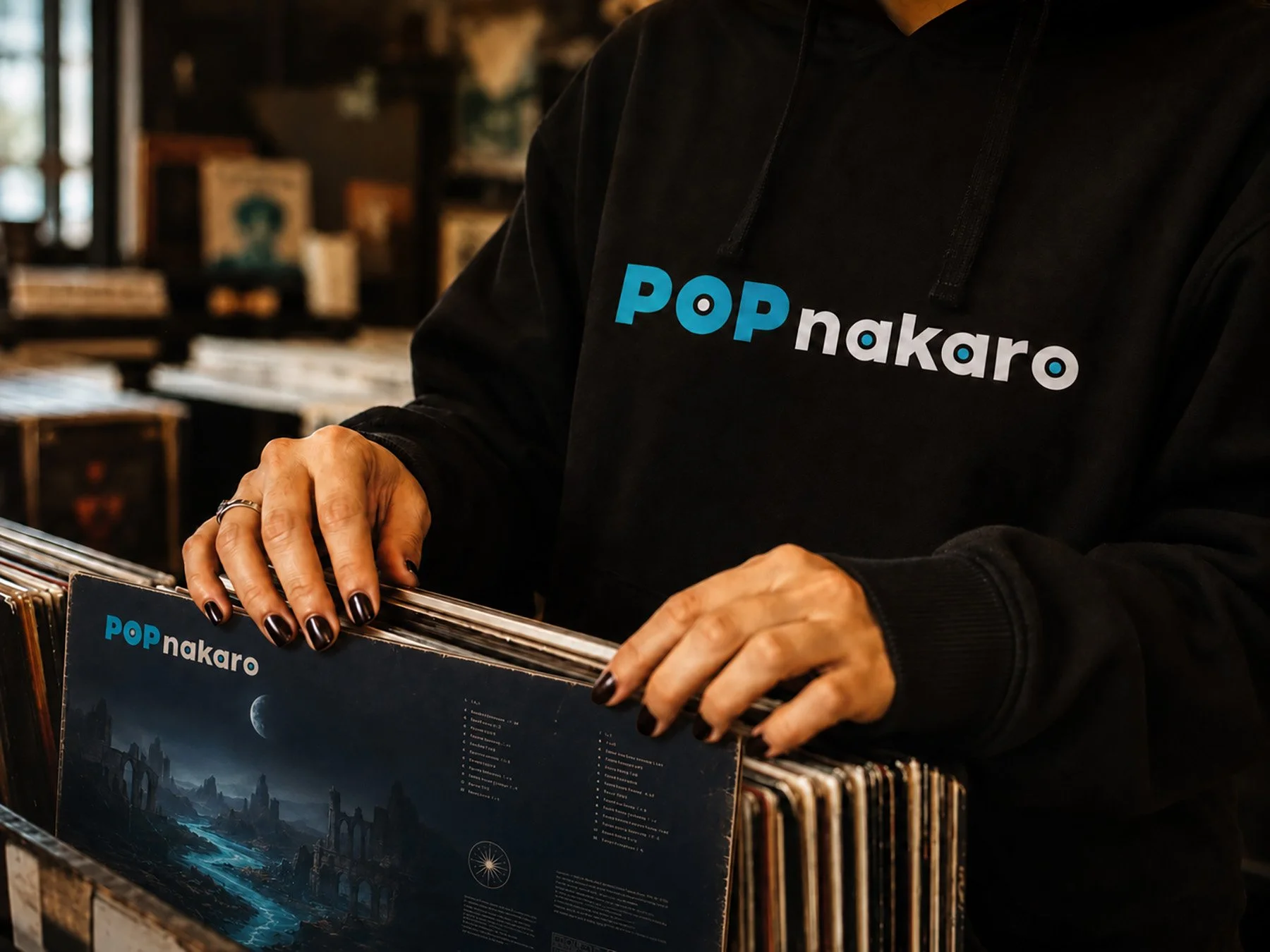
Each published feature adds another path into the POP nakaro archive, connecting readers with related stories across collecting, fandom and cultural history.
Creating lasting value
Every published feature adds another entrance into POP nakaro.
A reader who arrives through a story about City Park may continue to Pontchartrain Beach. Someone discovering Gnarly Barley may find another Hammond story. A tribute to a Mississippi comic artist can lead into a larger collection of features about comics, creators and Gulf Coast fandom.
Those connections allow the archive to become more useful over time. New stories guide readers toward earlier work, while established features provide context for subjects explored later.
Together, they create a growing portrait of popular culture as it has been experienced across the Gulf South. The same archive can welcome readers from beyond the region because the emotions behind collecting, fandom and shared memory extend far beyond geography.
This is where content strategy becomes practical. The brand establishes a recognizable promise, and the editorial system creates a reliable way to keep delivering it.
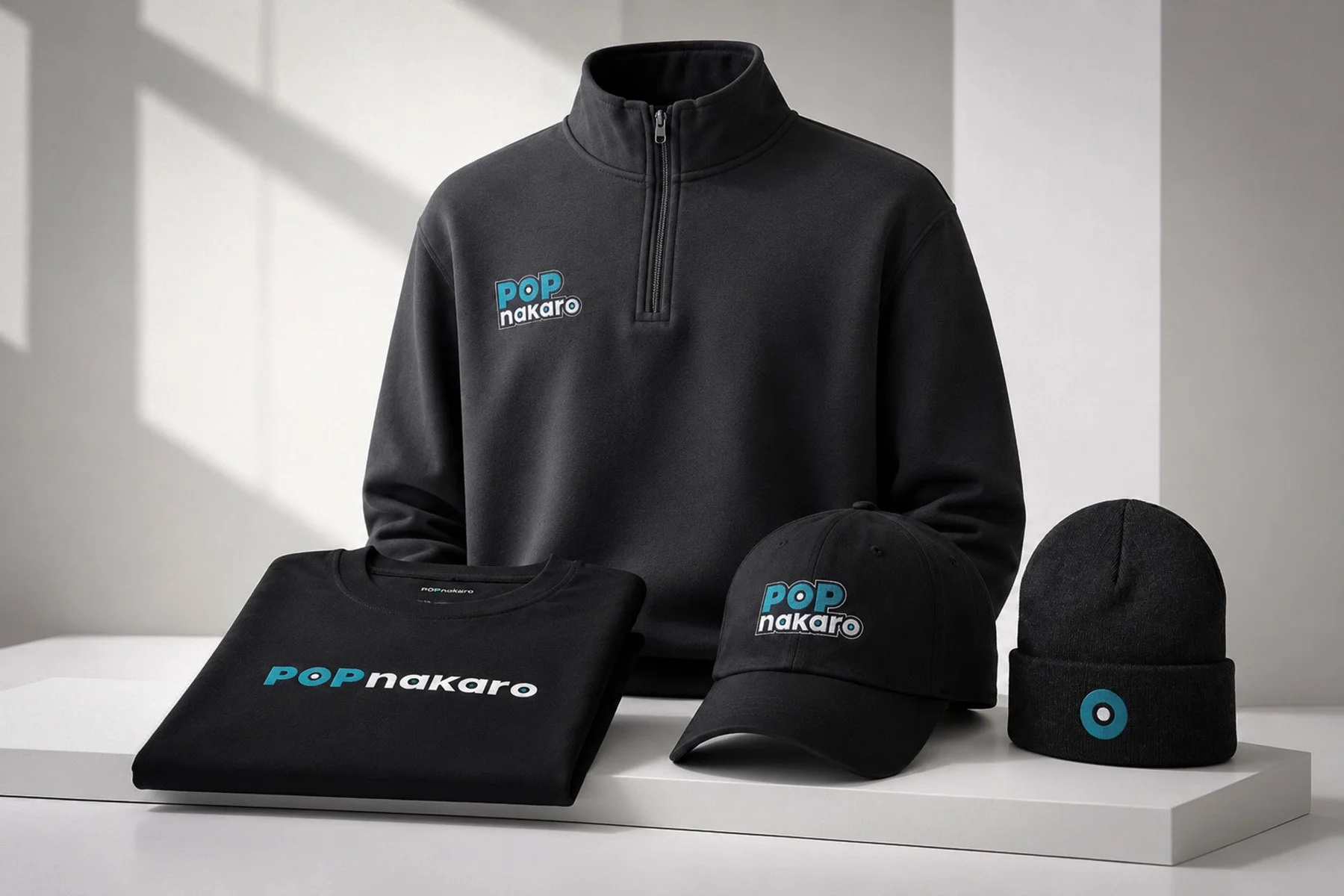
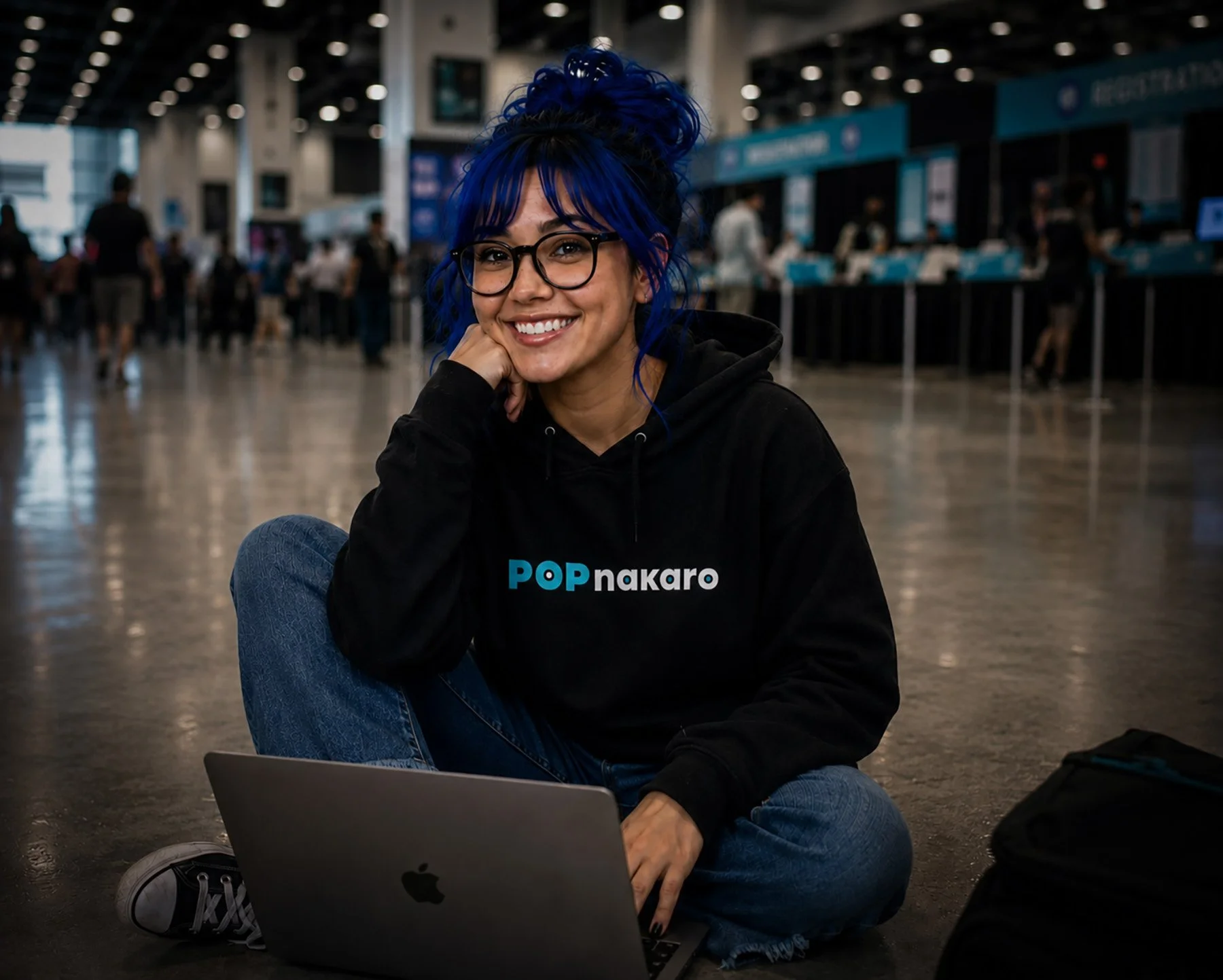
The POP nakaro identity extends naturally across apparel and merchandise, demonstrating how a focused brand system can remain recognizable in multiple applications.
Building evidence through the work
Readers experience POP nakaro as a place to explore the stories behind popular culture, personal collections and regional history.
For TSF Strategies, the platform demonstrates the complete process of building a brand from its central idea through execution. Defining the audience, establishing the regional perspective, developing the identity and publishing a connected body of work are all parts of the same strategy.
The focused reporting footprint makes it possible to cover stories with greater depth and cultural understanding. The broader editorial identity gives those stories the potential to reach readers anywhere.
That same approach guides my client work. Strategy identifies the strongest idea and the audience it should serve. Brand identity makes that idea recognizable. Content gives people repeated opportunities to experience it.
POP nakaro continues to grow with every story, but its direction remains clear: tell meaningful stories from a place we understand, create something readers can trust and build a brand capable of carrying those stories far beyond where they began.