The work before event day
Strategic planning connects partners, communications and logistics months before event day, creating stronger participant experiences and a foundation for continued growth.
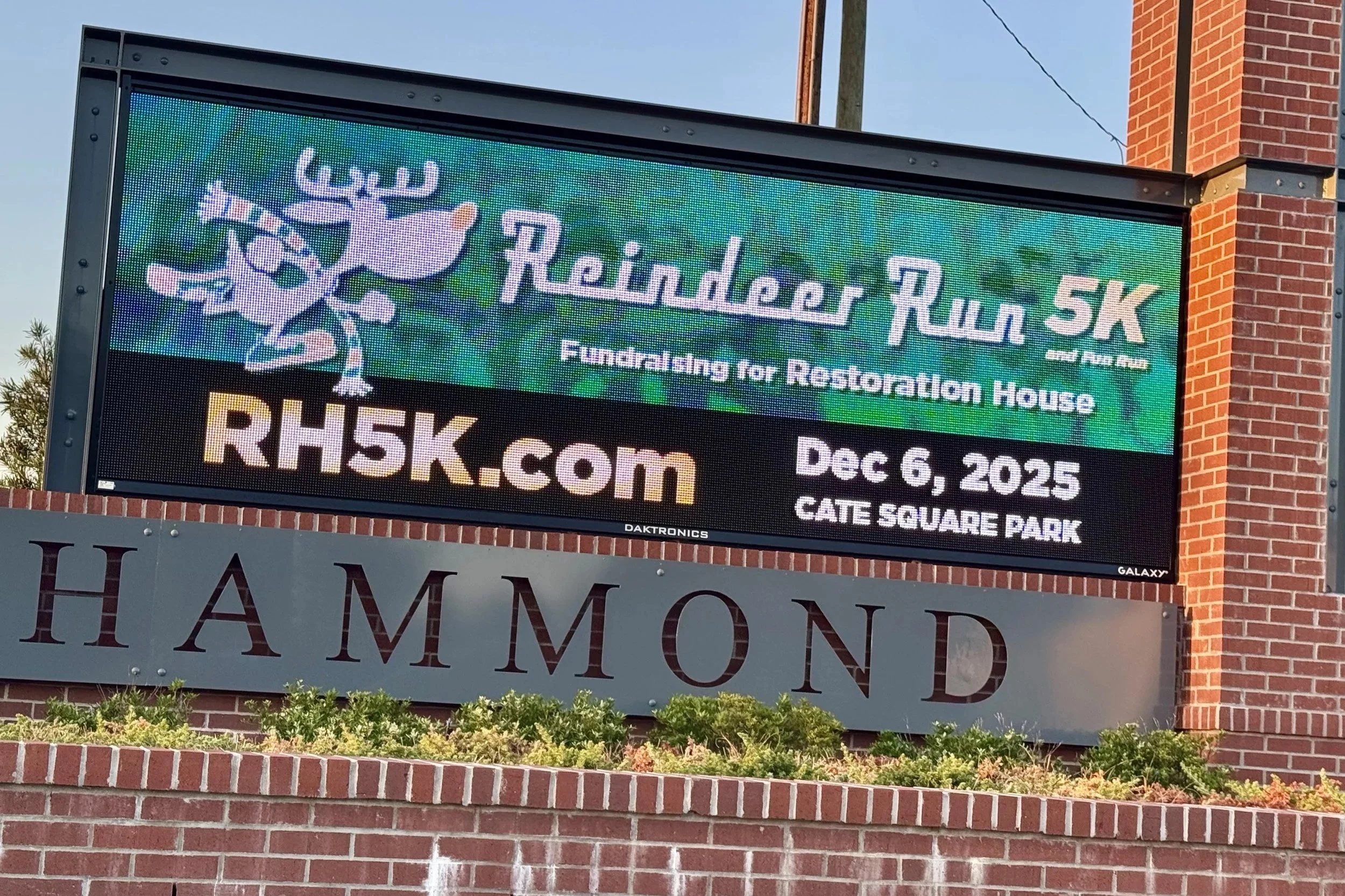
Promoting an event is only one part of the process. Successful events require months of planning, coordination, communication, and community partnership before event day arrives. Photo by Timothy San Fillippo, M.A.
Christmas in July isn’t really about Christmas
Every summer, Christmas trees appear in store displays, holiday decorations return to television and retailers begin promoting gifts while most of us are still deciding what to do with the rest of the season.
The timing makes sense once you consider the work happening behind the displays. Companies that depend on a strong holiday season begin preparing months before customers walk through the door.
Orders must be placed. Inventory decisions must be finalized. Marketing campaigns need time to reach an audience. By November, many of the decisions shaping the season have already been made.
Events work the same way.
What participants experience as a single day often represents months of decisions, conversations and preparation. A nonprofit fundraiser, community festival, conference, charity run or holiday celebration begins long before registration opens or the first public announcement appears.
Events are more complex than they appear
Registration may be the first time the public encounters an event. For organizers, it should follow many of the project’s most important decisions.
Is the date clear of competing events? Can the venue support the expected attendance? Are permits, police support or traffic control required? Is parking adequate? What happens if it rains? How will sponsors be recognized? Who will recruit and manage volunteers? What would make the event successful for the organization and the people it serves?
These may sound like operational questions, but their answers shape the entire strategy. They influence the budget, sponsorship opportunities, attendance goals, communications plan and participant experience.
I learned how easily one missing stakeholder can disrupt an otherwise solid plan. Key partners had been consulted, the date appeared to be available and preparations were moving forward. Then we discovered that Southeastern Louisiana University’s graduation was scheduled for the same morning.
The conflict immediately affected parking, access and venue logistics. It also reinforced a larger lesson: Every event operates within a community ecosystem.
Schools, churches, businesses, nonprofits, local governments, sponsors and neighborhood organizations can all influence what happens on event day. Understanding that environment early gives organizers time to make informed decisions.
Growth creates new challenges
The first Reindeer Run looked very different from the event participants know today.
What began as a relatively small gathering at Memorial Park in Ponchatoula has grown into one of the Northshore’s most recognizable holiday races. Increased participation brought new considerations involving safety, parking, accessibility, visibility, sponsorship and the overall runner experience.
The event eventually outgrew the strategy that had supported its earlier years. That led to the decision to relocate the race to Cate Square in downtown Hammond.
The move created opportunities to build a stronger event. Downtown Hammond offered greater visibility, improved accessibility and more ways for businesses, sponsors, volunteers and community partners to participate. It also placed the event much closer to Restoration House, the organization the race supports.
Growth changes what an event requires. The logistics that serve 50 participants will not support 500. Communications designed for a small gathering must evolve as an event begins attracting a regional audience.
Organizations preparing for growth have to consider the event they are becoming, along with the one they are producing today.
Every event is a communication project
Participants see the finished experience: the crowd, music, vendors, signs, sponsors, volunteers and activity surrounding them.
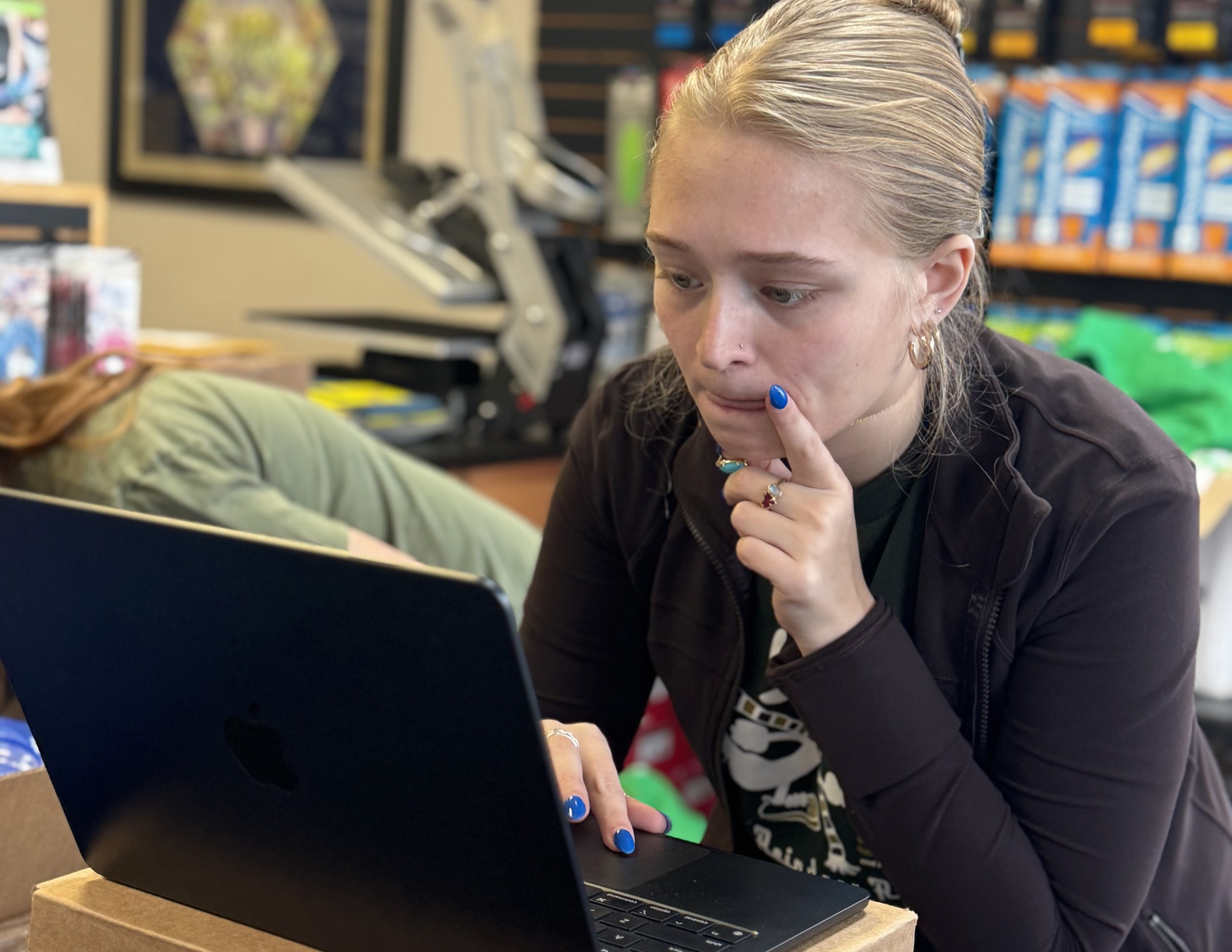
Behind that experience is a network of people who need the right information at the right time. Sponsors need clear opportunities and expectations. Volunteers need assignments. Vendors need schedules and requirements. Participants need registration details, parking information and event-day instructions.
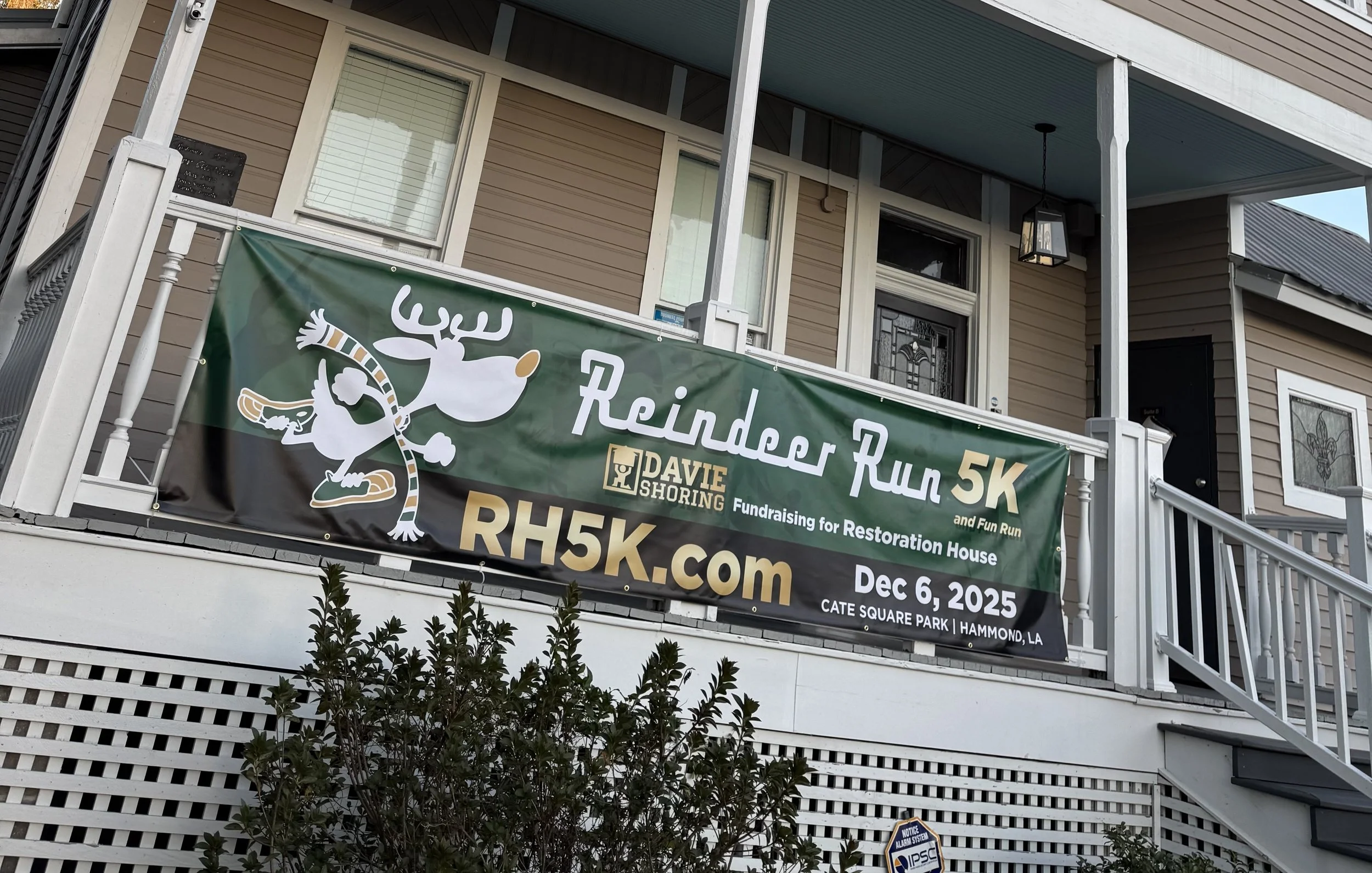
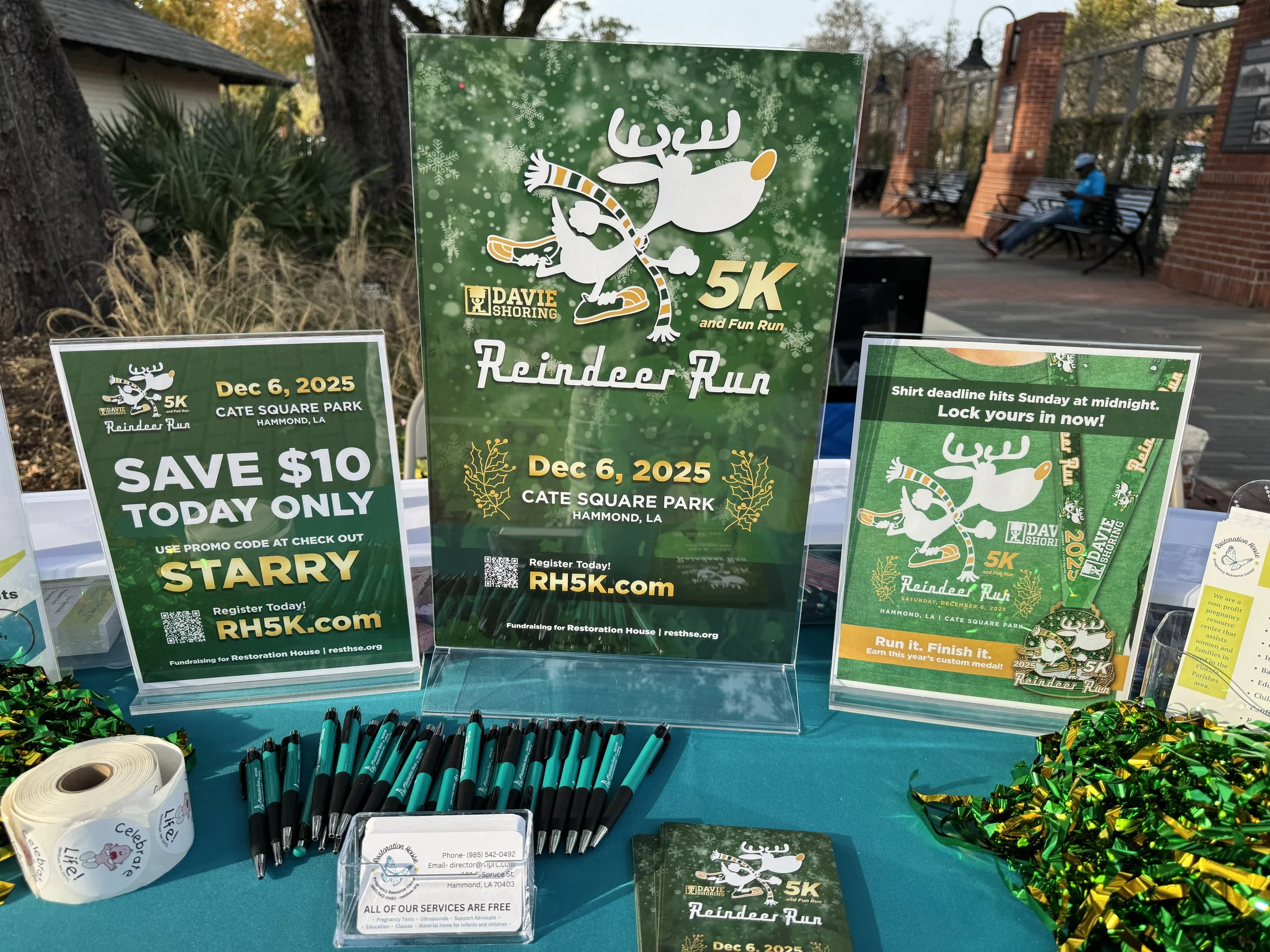
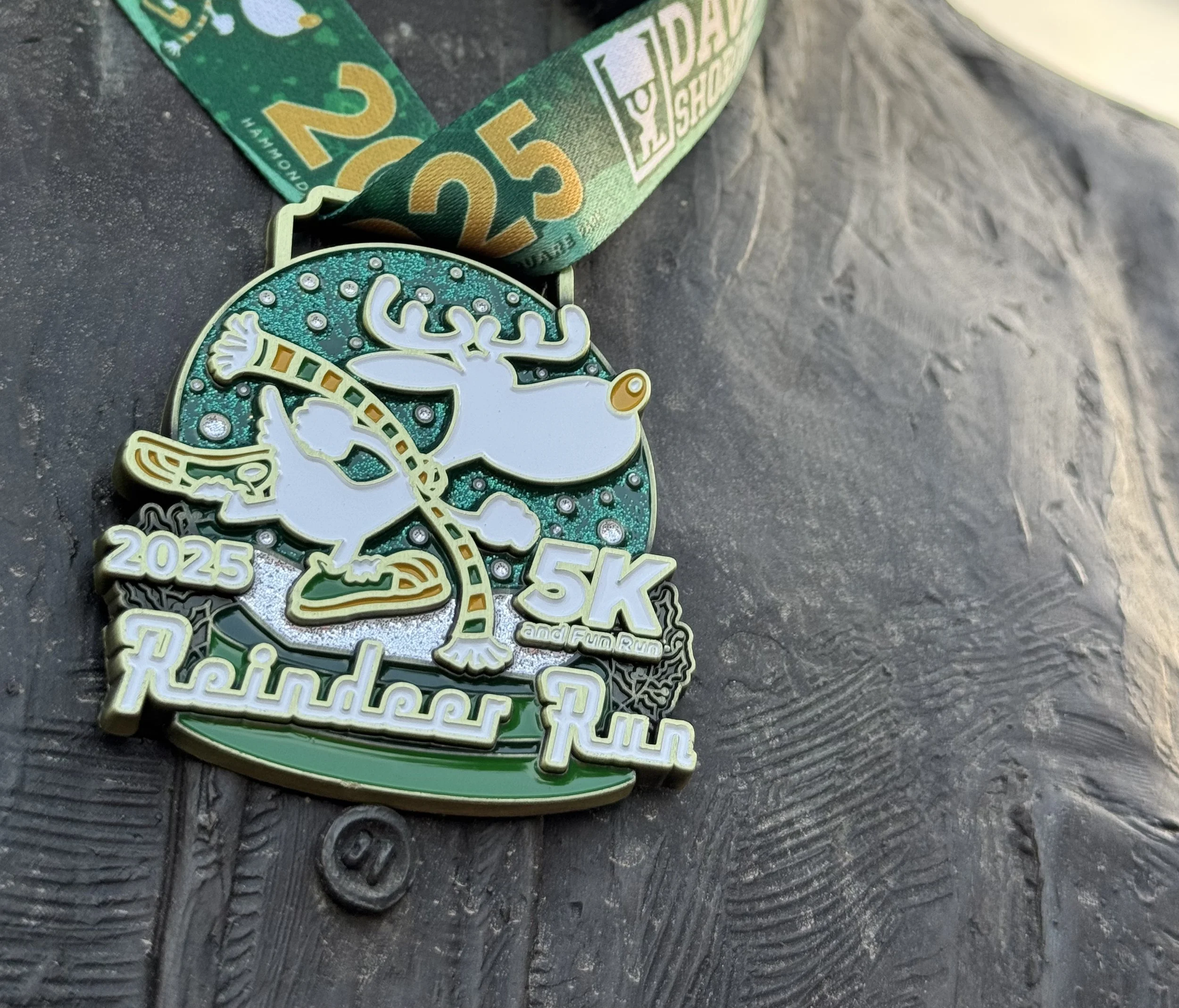
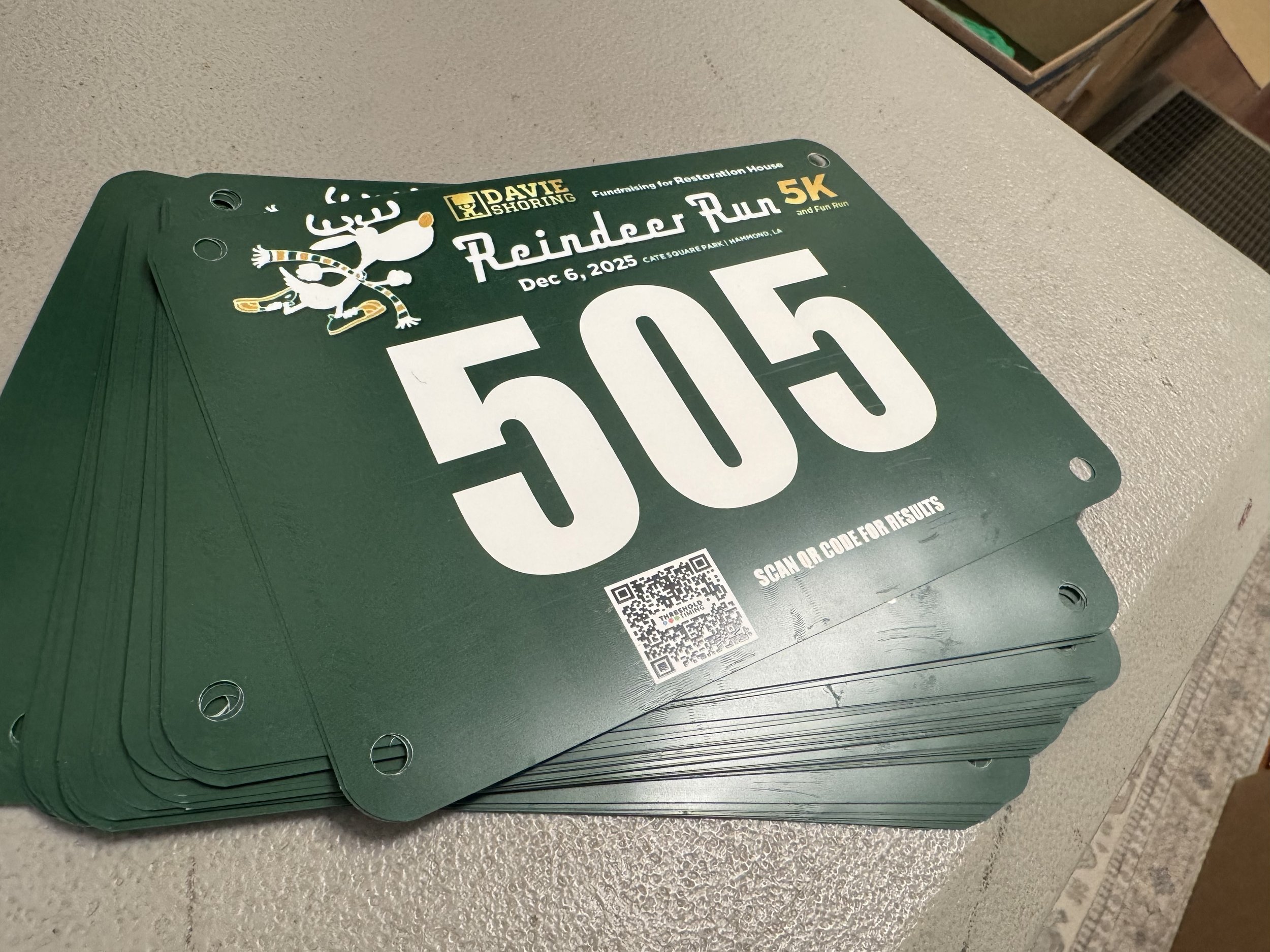
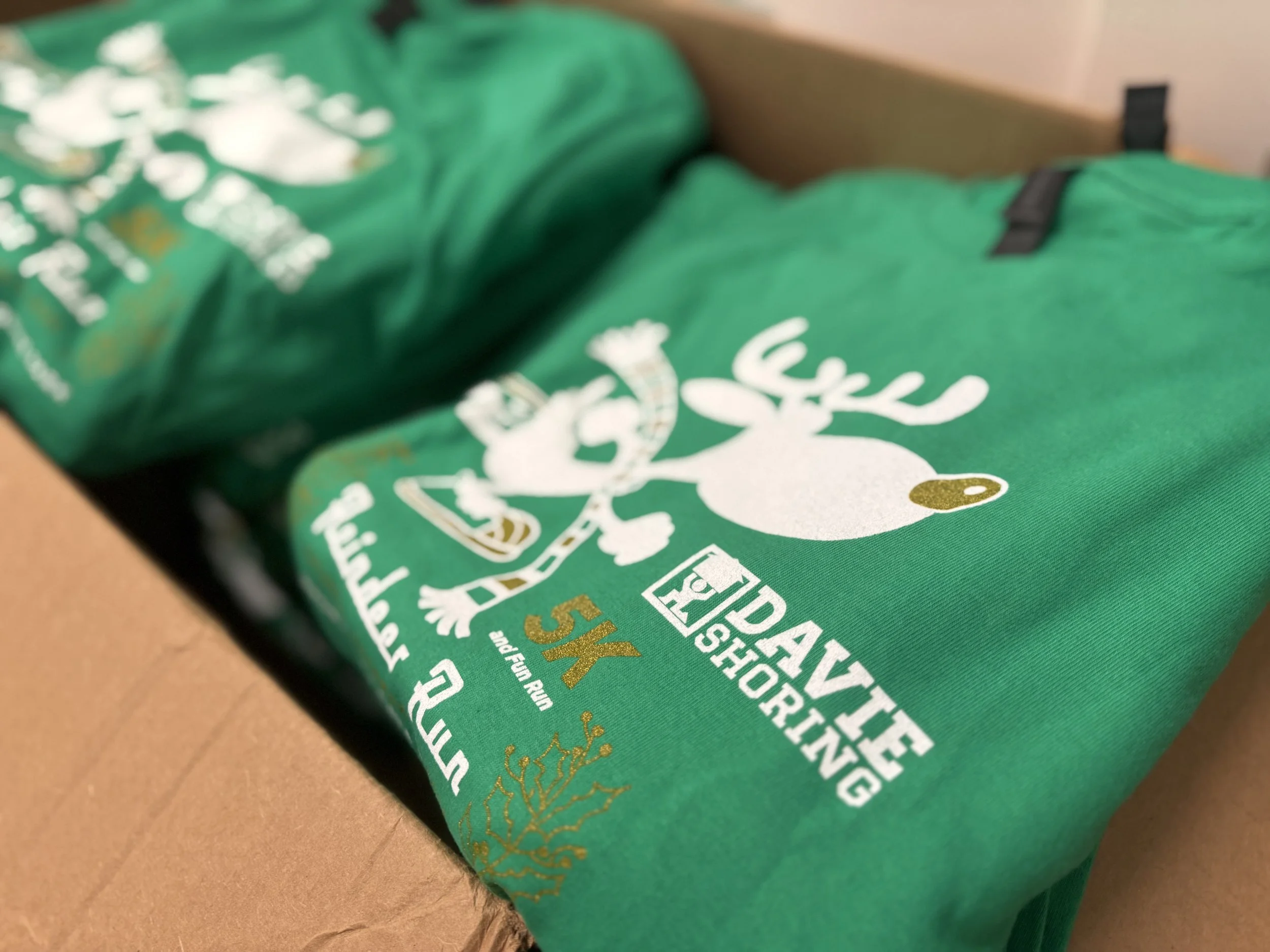
The public-facing campaign also has to present one recognizable event across the website, registration platform, social media, advertising, signs, shirts and printed materials.
Many organizations already have passionate volunteers, a worthwhile mission and an exciting vision. The challenge is creating a framework that connects those resources and helps everyone work toward the same outcome.
Branding, sponsorship, logistics, volunteer management and participant engagement may appear to be separate activities. In practice, each affects the others.
That is why I see events as communication projects as much as logistical ones. Budgets, permits and production schedules create the operational structure. Communication aligns organizers, sponsors, volunteers, vendors, participants and community partners around the experience they are working together to create.
Building evidence through the work
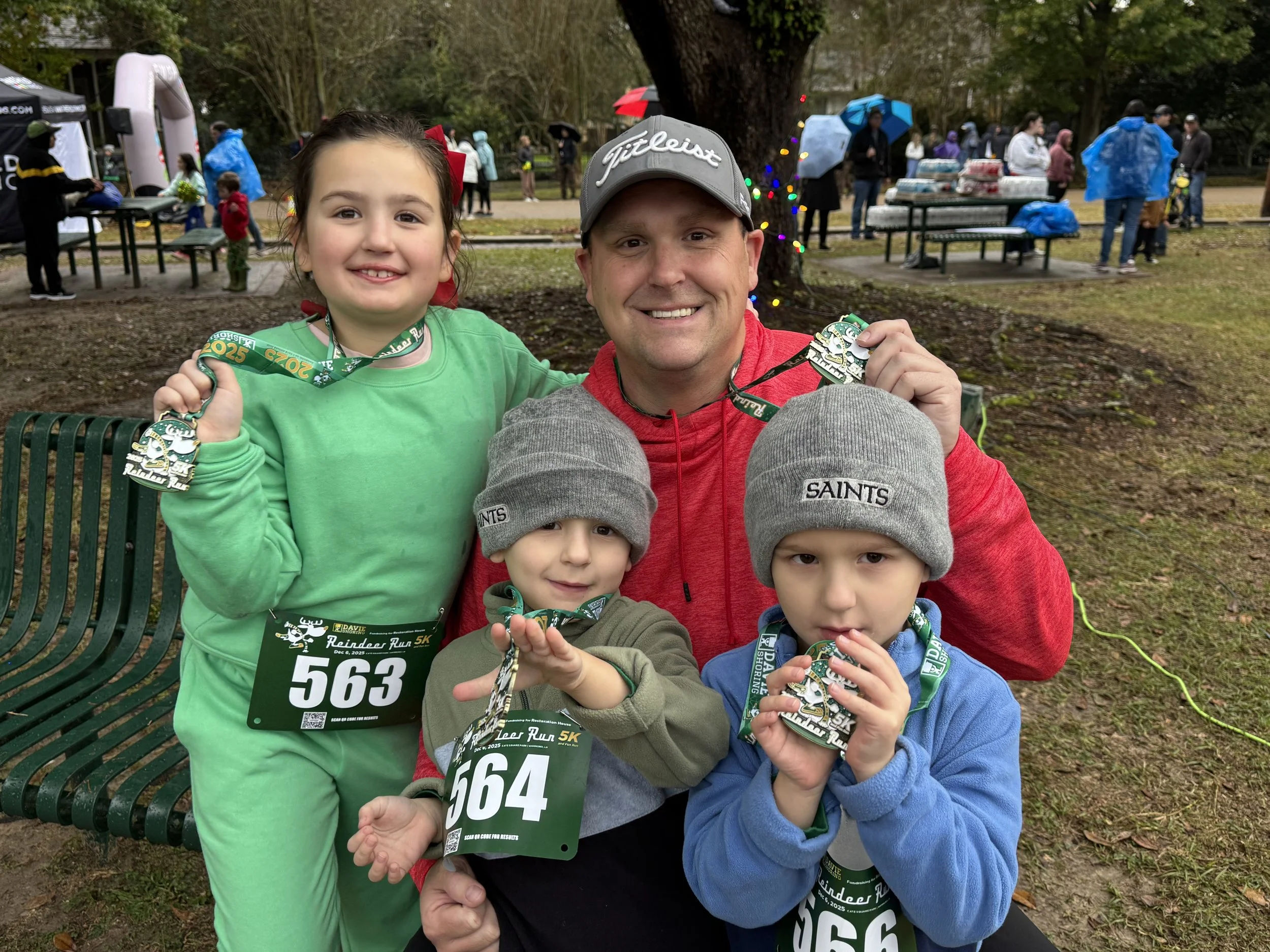
Participants experience the Reindeer Run as a few hours of community, celebration and purpose. Restoration House and its partners begin creating that experience months earlier.
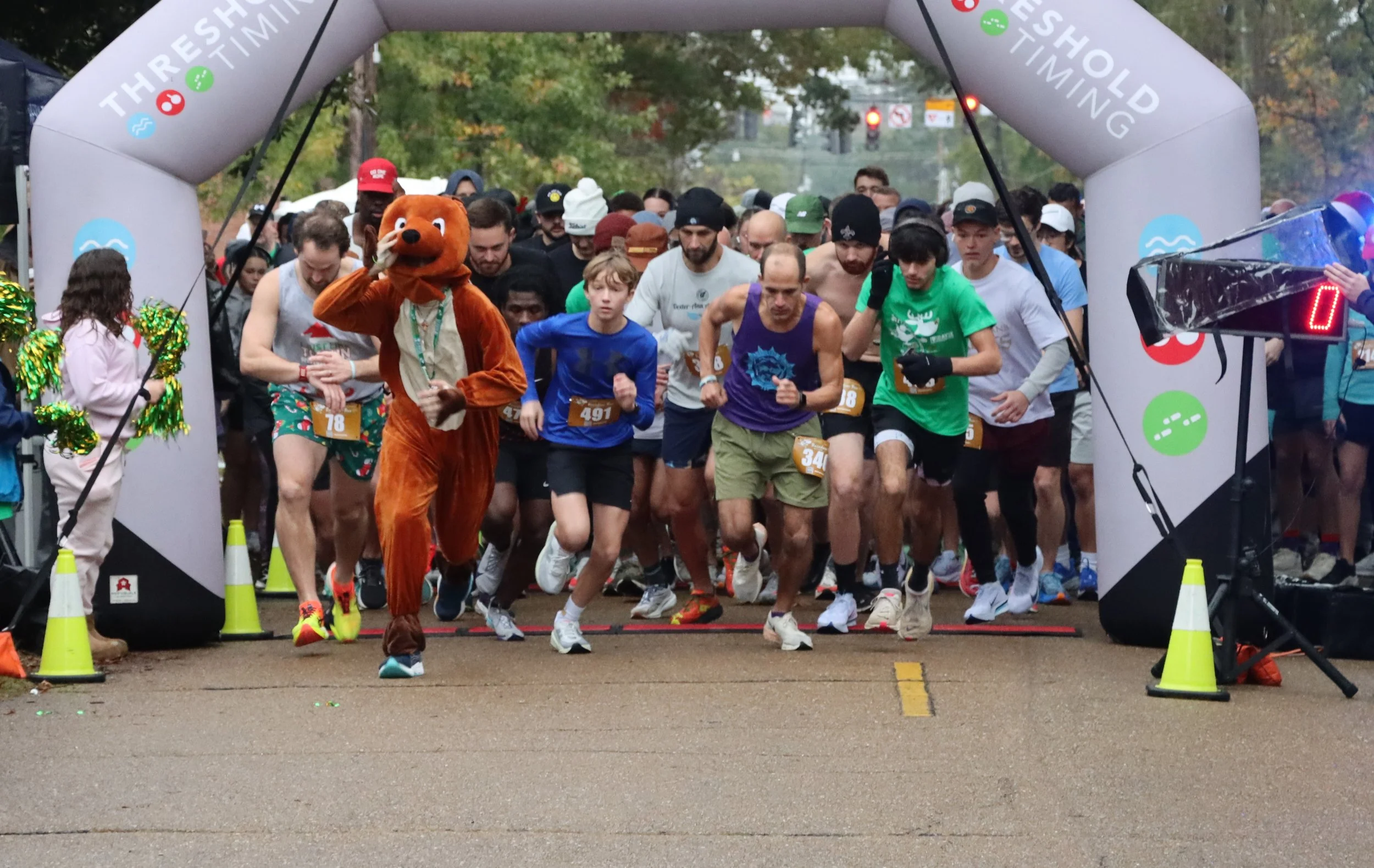
Today, the Reindeer Run is Restoration House’s signature annual fundraising event. Participation has grown by more than 30% in just a few years, and the race continues to sell out while bringing hundreds of runners, volunteers, sponsors and community partners into downtown Hammond.
For TSF Strategies, the Reindeer Run demonstrates how communications can support an event from its earliest decisions through event day.
Long-term planning established direction. Stakeholder engagement helped align community partners. Branding gave the race a recognizable identity, while sponsorship and marketing materials carried that identity into the community. Registration, volunteer and participant communications then supported the people responsible for delivering the experience.
The race became the visible result of that connected work.
The same approach guides my client projects. We begin by defining the organization’s objectives, understanding the people involved and identifying the opportunities and challenges surrounding the event. From there, we build a communications framework that supports decisions, clarifies responsibilities and keeps the project moving.
When strategy, branding and communications work together from the beginning, an event can produce value well beyond a single day. It can strengthen partnerships, increase community awareness and create a foundation for continued growth.
Project outcomes
Multi-year strategic planning support
Event branding and visual identity
Sponsorship strategy and partner communications
Website and registration communications
Marketing and promotional campaign development
Digital and print promotional materials
Community outreach and event promotion
Volunteer and stakeholder communications
Relocation to downtown Hammond supporting continued growth
More than 30% participant growth in just a few years
Continued sellouts for Restoration House’s signature annual fundraiser
A repeatable communications framework supporting future events