Helping organizations tell their stories
Clear, consistent communication helps mission-driven organizations translate their work into stories that strengthen trust, deepen engagement and attract continued support.

The 5 Stones Media office in Hammond, Louisiana. The agency's work helping organizations tell their stories continues to influence the approach behind TSF Strategies today. Photo by Timothy San Fillippo.
The power of a clear story
Inside an organization, its value may feel obvious. Leaders discuss the mission every day, employees understand the work and longtime supporters have seen its impact firsthand. Customers, donors and community stakeholders often encounter only a small part of that story.
Daily responsibilities can make it difficult for organizations to step back and explain the larger picture. Communication becomes focused on immediate needs, individual announcements and upcoming deadlines. Over time, audiences may receive plenty of information without developing a clear understanding of the organization behind it.
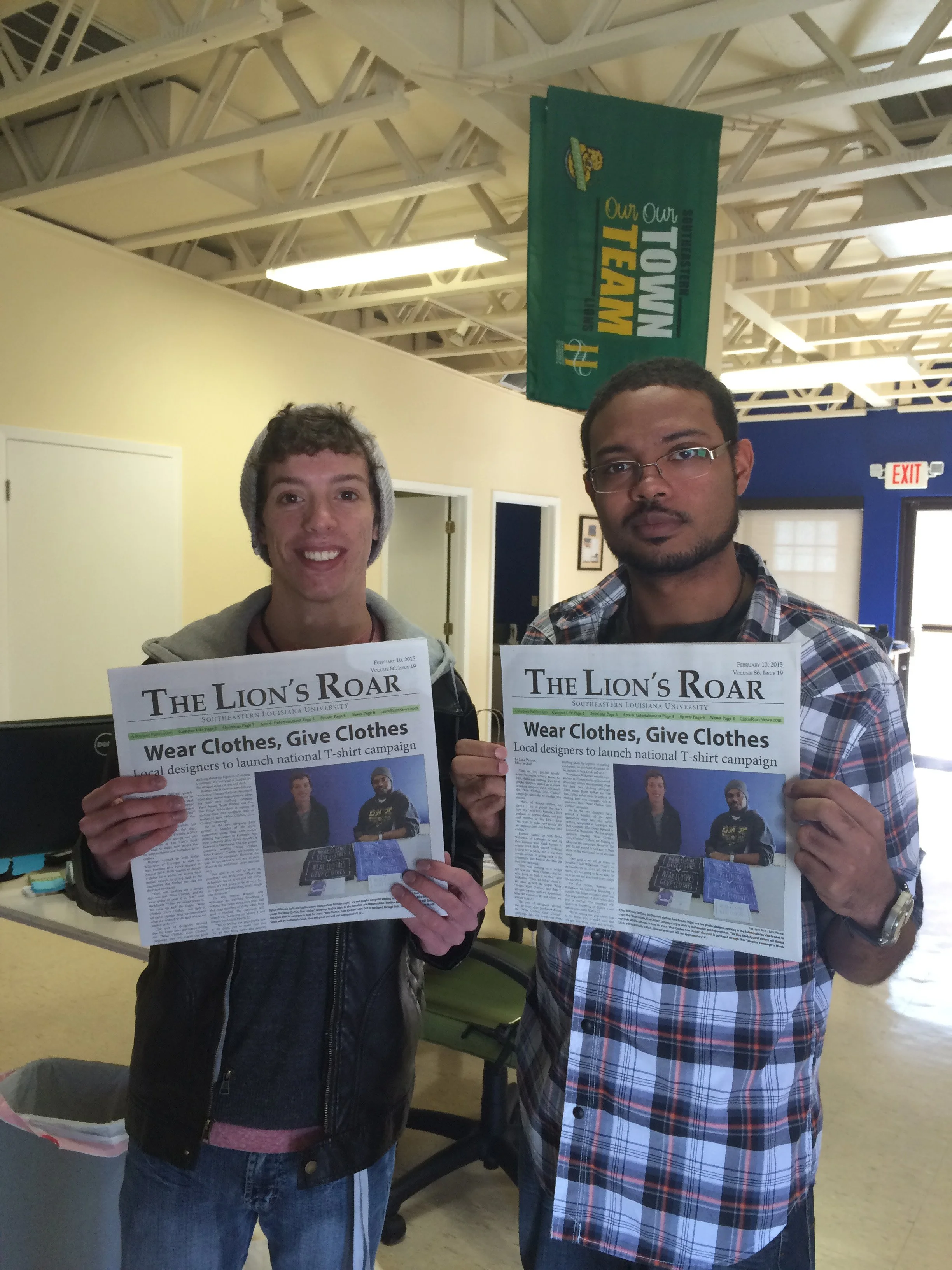
Before launching TSF Strategies, I co-founded 5 Stones Media, a creative agency serving businesses, nonprofits, churches, schools and community organizations throughout Southeast Louisiana. As co-owner and creative director, I helped lead branding, marketing, fundraising, digital communications and storytelling initiatives for organizations seeking stronger connections with the people they served.
Clients often arrived asking for a website, campaign, video or new brand identity. Those conversations frequently revealed a deeper need: They needed a clearer way to explain who they were, what they contributed and why people should care.


Finding the story behind the request
Marketing tools are important, but their usefulness depends on the story they are helping an organization tell.
A website can organize information. Social media can reach an audience. A video can create an emotional connection, while advertising can build awareness. Each becomes more valuable when it supports a clear objective and gives the audience something meaningful to understand.
Our work at 5 Stones Media therefore had to begin before production. We needed to learn why the organization was seeking help, who it needed to reach and what that audience should understand or do next.
A request for greater visibility might reveal a need to explain the organization’s services more clearly. A fundraising campaign could require a stronger connection between donations and measurable impact. Recruitment materials might need to communicate the culture people would experience after joining the organization.
This discovery process helped connect creative work to an organizational need. It also gave clients a clearer standard for evaluating the finished product: Did it help the intended audience understand the right story?

Helping people understand
One of the most valuable lessons from 5 Stones Media was seeing how easily gaps form between what an organization knows about itself and what an outside audience understands.
Leaders possess years of institutional knowledge. Employees experience the mission through their work, and board members help shape long-term direction. New customers, families, volunteers or donors may encounter the organization through a single post, conversation or event.
Effective communication helps those audiences see how the pieces fit together. Branding creates recognition. Content provides context. Public relations builds awareness, while websites and digital platforms give people a place to learn more and take the next step.
Projects involving Courtney Christian School, Restoration House, local businesses, churches and community initiatives reinforced this principle repeatedly. Families needed to understand more than a school’s programs; they wanted to know what kind of educational experience their children would receive. Donors needed more than a fundraising request; they needed to see how their support contributed to the mission.
People are more likely to participate when they understand both the purpose and their place within it. That understanding can turn an audience member into a customer, volunteer, donor or advocate who helps carry the story forward.

Lessons that continue today
The growth of 5 Stones Media created opportunities to work alongside educators, nonprofit leaders, healthcare professionals, business owners, pastors and community advocates throughout the region. Every assignment required us to learn a different organization, audience and challenge.
That experience continues to shape TSF Strategies. My work begins by listening to how leaders describe the organization and then examining how that story is experienced by employees, customers and stakeholders. The differences between those perspectives often reveal the clearest opportunities for stronger communication.
From there, strategy helps determine what the audience needs to understand, which stories can demonstrate that value and which communications will reach people most effectively. The deliverable may be a campaign, website, article, presentation or larger communications framework, but it grows from the same foundation.
TSF Strategies helps organizations translate what they know internally into stories other people can understand and believe. Effective communication gives people clarity, strengthens relationships and makes it easier for them to recognize why the work matters.