Building organizations people believe in
Organizations earn lasting support when clear leadership, purposeful communication and practical strategy align people around a mission they understand and trust.

Organizations grow through more than marketing alone. Lasting success is built through clarity, trust, leadership, and a shared sense of purpose. Photo by Timothy San Fillippo. M.A.
Different organizations. A shared challenge.
A creative agency, Christian school, nonprofit organization and regional healthcare system serve different audiences and define success in different ways. Yet across more than two decades of working with organizations throughout Louisiana, I have encountered many of the same challenges.
Leaders need to bring teams together around a shared direction. Employees need to understand how organizational priorities affect their work, while stakeholders need to recognize the value being created. As organizations grow, communication becomes more complex and consistency becomes harder to maintain.
These challenges may first appear through uneven marketing, internal confusion or stalled growth, but their roots often reach deeper into the organization. The organizations that move forward most effectively understand why they exist, where they are going and how each person contributes to that direction. That clarity gives marketing and communication something real to support.
Clarity creates momentum
Much of my early career focused on helping organizations communicate more effectively. As co-founder and chief creative officer of 5 Stones Media, I worked with businesses, nonprofits, schools, churches and community organizations seeking to strengthen their brands and share their stories. We built websites, developed identities, produced videos and launched campaigns.
I saw that the strongest results came from organizations that understood themselves before asking others to understand them. Their leaders could explain the mission and vision. Employees recognized the priorities shaping their work, and stakeholders understood what the organization contributed to the community.
That shared understanding made every communication tool more effective. Websites, campaigns and creative materials could reinforce an established direction instead of carrying the entire responsibility for defining it. Organizational clarity created the foundation, and communication helped people understand and act on it.

Purpose sustains growth
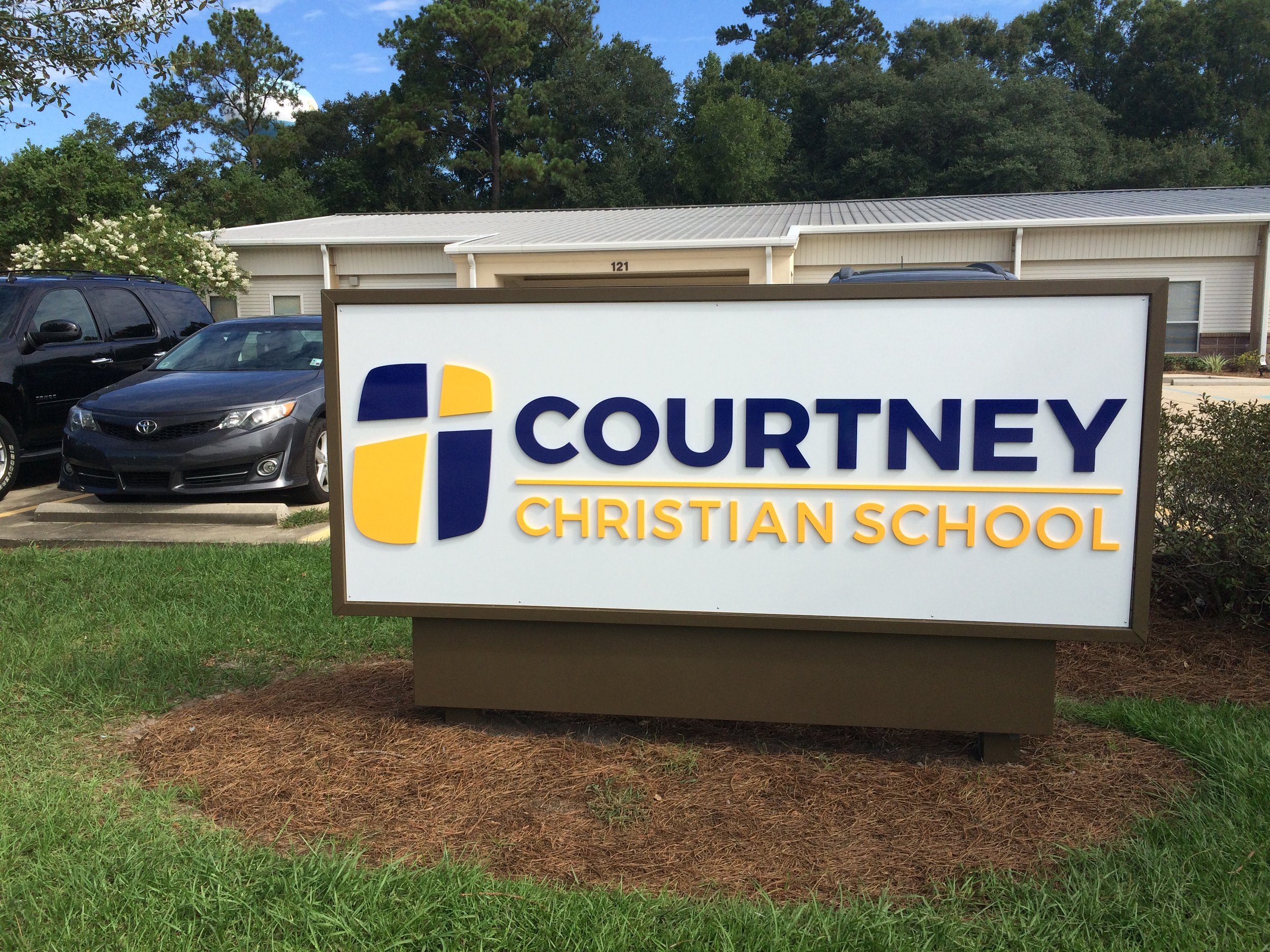
That lesson became even clearer through years of service with Courtney Christian School and Restoration House. Their missions are very different, but both demonstrate how growth develops when leadership, relationships and purpose remain connected over time.
Courtney Christian School grew as families came to understand its educational philosophy and trust its leadership. Restoration House built a network of volunteers, donors and community partners who believed in its mission and could see the difference their support made.
In both cases, growth resulted from years of consistent leadership, community engagement and mission-focused communication. Marketing introduced the organizations to new people, while trust gave families, volunteers and supporters a reason to remain involved. Each interaction offered another opportunity to experience what the organization valued.


Growth changes communication
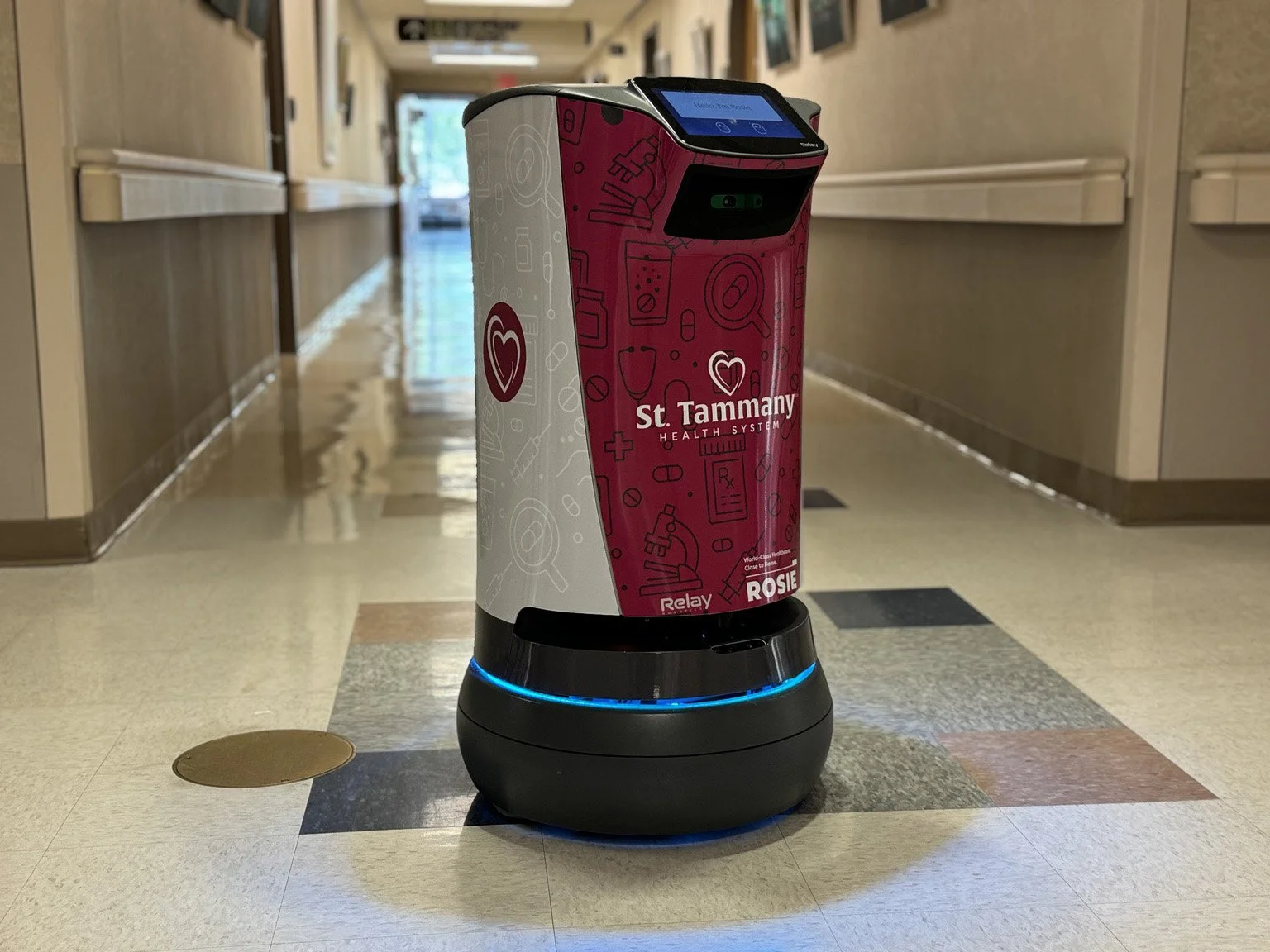
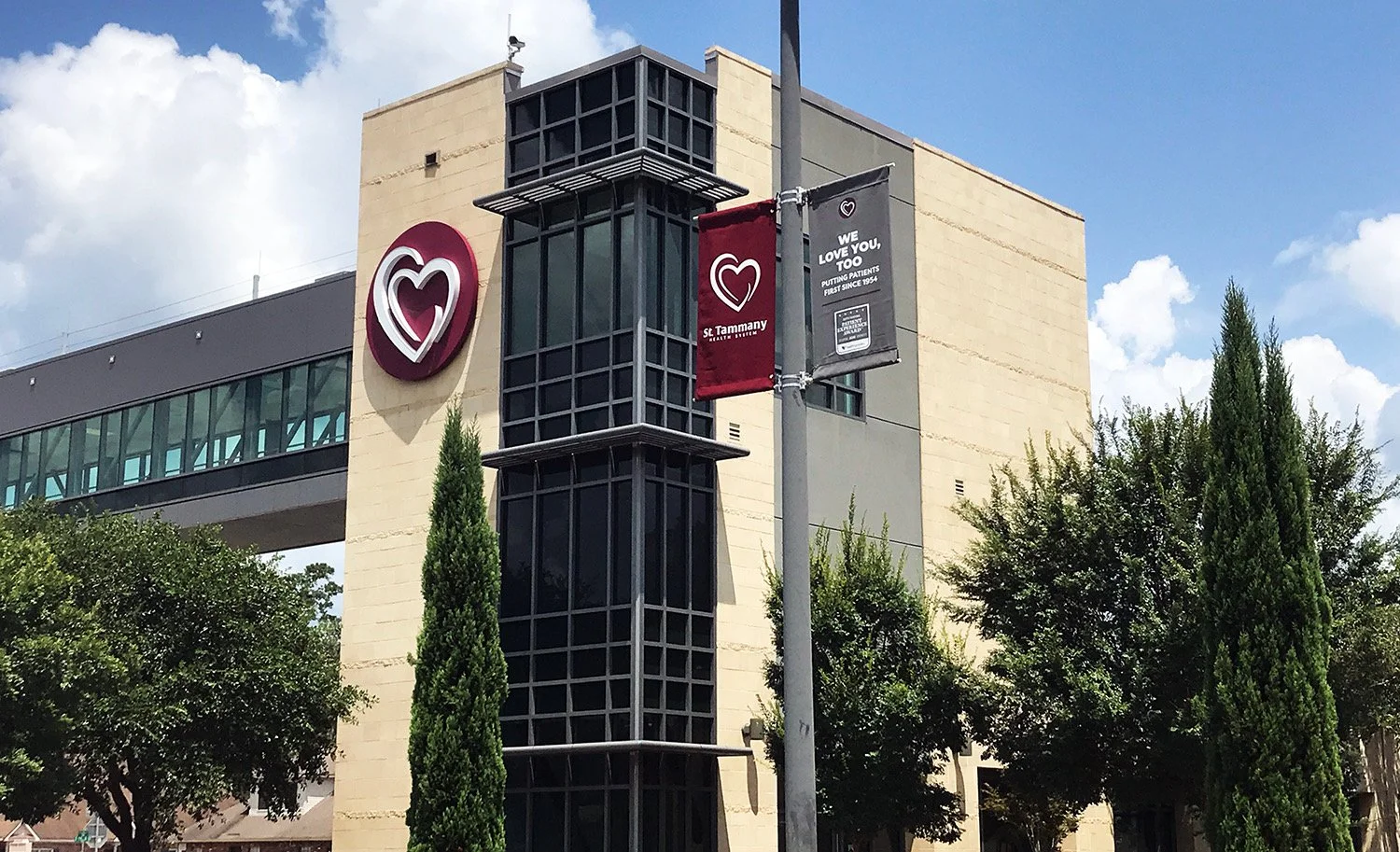
As an organization expands, communication has to serve more people, priorities and relationships. My work supporting the continued evolution of St. Tammany Health System provided a different perspective on that challenge.
A regional healthcare system brings together employees, physicians, patients, board members, community stakeholders and strategic partners, each with distinct responsibilities and expectations. Organizational expansion, physician growth, brand implementation, community engagement and public health outreach created opportunities to reach more people while increasing the need for coordinated communication.
In that environment, communication becomes part of leadership. It reinforces organizational priorities, shapes culture and helps people understand how their responsibilities contribute to the larger mission. A growing organization may need new channels and tools, but those tools still depend on a shared direction.


Why TSF Strategies exists
These experiences span healthcare, education, nonprofit service, branding and communications. The connection between them is organizational growth.
Today’s leaders have access to websites, social media platforms, design resources and more communication tools than ever before. The larger opportunity is determining what the organization needs to accomplish, how people can contribute and which tools will support that direction.
That understanding became the foundation for TSF Strategies. The work begins by learning how an organization operates: its mission, stakeholders, priorities, challenges and opportunities. From there, strategy can help leaders clarify direction, connect people to a shared purpose and choose the communications that will move the organization forward.
A website, campaign or piece of content can play an important role when it serves a larger objective that leaders and stakeholders understand. Organizations create lasting impact when people understand the mission, trust the leadership and believe their participation matters.
The strongest organizations are believed in.